



Marine Grade vs Standard 316 Stainless Steel Spigots: What's the Difference?

When you're selecting spigots for your pool fence or glass balustrade, you'll often come across terms like "marine grade" and "standard 316 stainless steel." If you're scratching your head wondering what the difference is, you're not alone. At Glass House AU, "marine grade" refers specifically to duplex 2205 stainless steel, whereas 316 is the standard austenitic grade used widely across Australia. In chloride-rich, coastal conditions, 2205 delivers measurably higher resistance to pitting, crevice corrosion, and stress corrosion cracking than 316, making it a superb choice for pool fencing and balustrades near the ocean (see Australian Stainless Steel Development Association: https://www.assda.asn.au/stainless-steel/grade-selection/grade-2205-for-high-corrosion-resistance-and-strength; https://www.assda.asn.au/blog/288-the-family-of-duplex-stainless-steels). We stock both 2205 marine grade and 316 spigots so you can match performance to your site. Check out our marine grade 2205 stainless steel spigots here.
Let's break down everything you need to understand about stainless steel spigots so you can make the right choice for your Australian home, whether you're dealing with coastal salt spray or just want the best quality hardware for your investment.
What Makes Stainless Steel "Marine Grade"?
The term "marine grade" refers to stainless steel's ability to withstand harsh marine environments – think salt water, coastal humidity, and chloride exposure. In our range, "marine grade" means duplex 2205 stainless steel (UNS S31803/S32205), not 316. Why? Its chemistry and microstructure are engineered for aggressive coastal service:
- About 22% Chromium for exceptional passive film stability
- Around 5–6% Nickel and a duplex (austenitic–ferritic) structure for strength and SCC resistance
- Approximately 3% Molybdenum plus Nitrogen additions to dramatically boost pitting/crevice corrosion resistance
Independent data shows 2205 achieves a higher Pitting Resistance Equivalent Number (PREN ~35–40) than 316 (typically ~24–26), which translates to stronger performance in salt and chlorinated splash zones ASSDA.
The Real Difference: Quality Grades Within 316 Steel
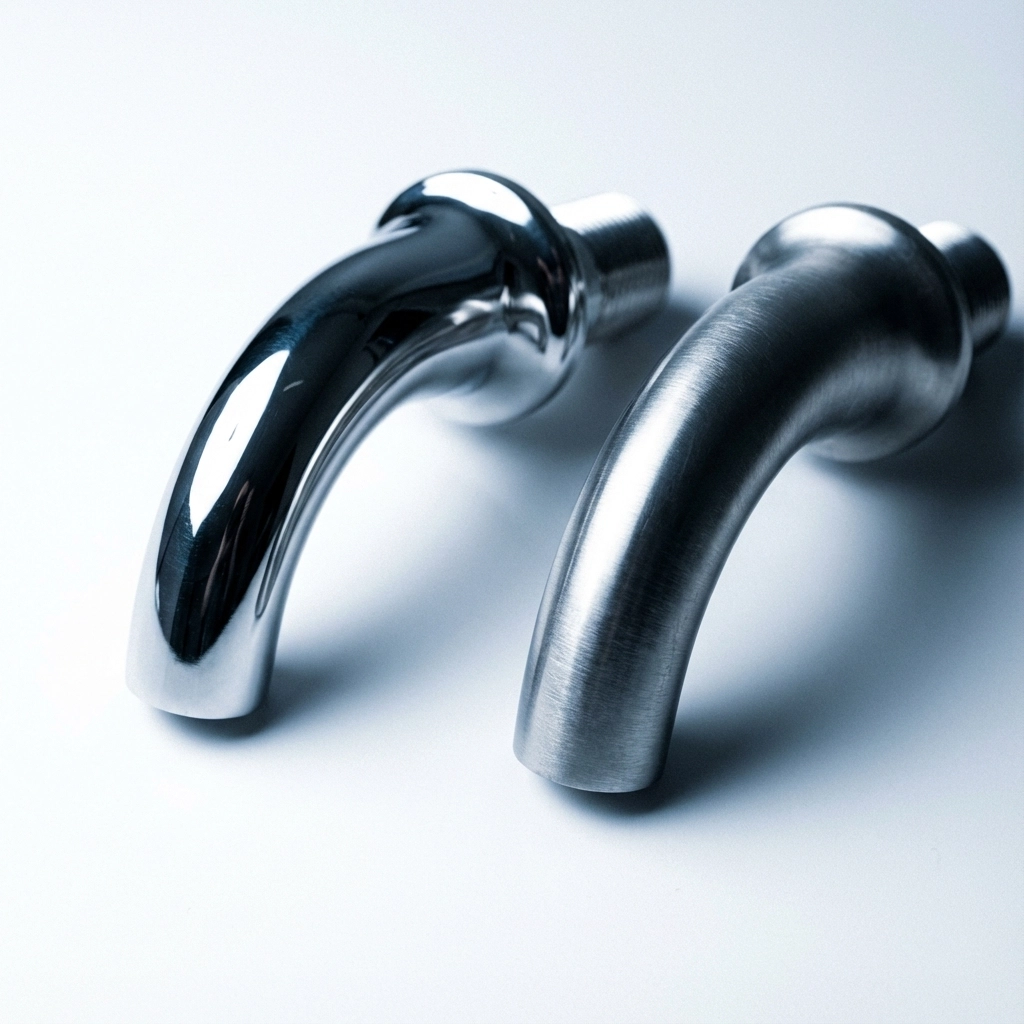
While all 316 stainless steel is technically "marine grade," not all 316 spigots are created equal. Here's where the distinction between "marine grade" and "standard" 316 spigots actually comes into play:
Premium 316 Spigots
- 316L Low Carbon Content: Enhanced resistance to high-temperature corrosion
- Superior Surface Finish: Often electropolished for maximum corrosion resistance
- Precision Manufacturing: Tighter tolerances and better quality control
- Enhanced Testing: More rigorous corrosion testing and certification
Standard 316 Spigots
- Basic 316 Composition: Meets minimum 316 standards
- Standard Surface Finish: Good corrosion resistance but not optimized
- General Manufacturing: Adequate quality control
- Basic Testing: Meets standard certification requirements
Corrosion Resistance: Where It Really Matters
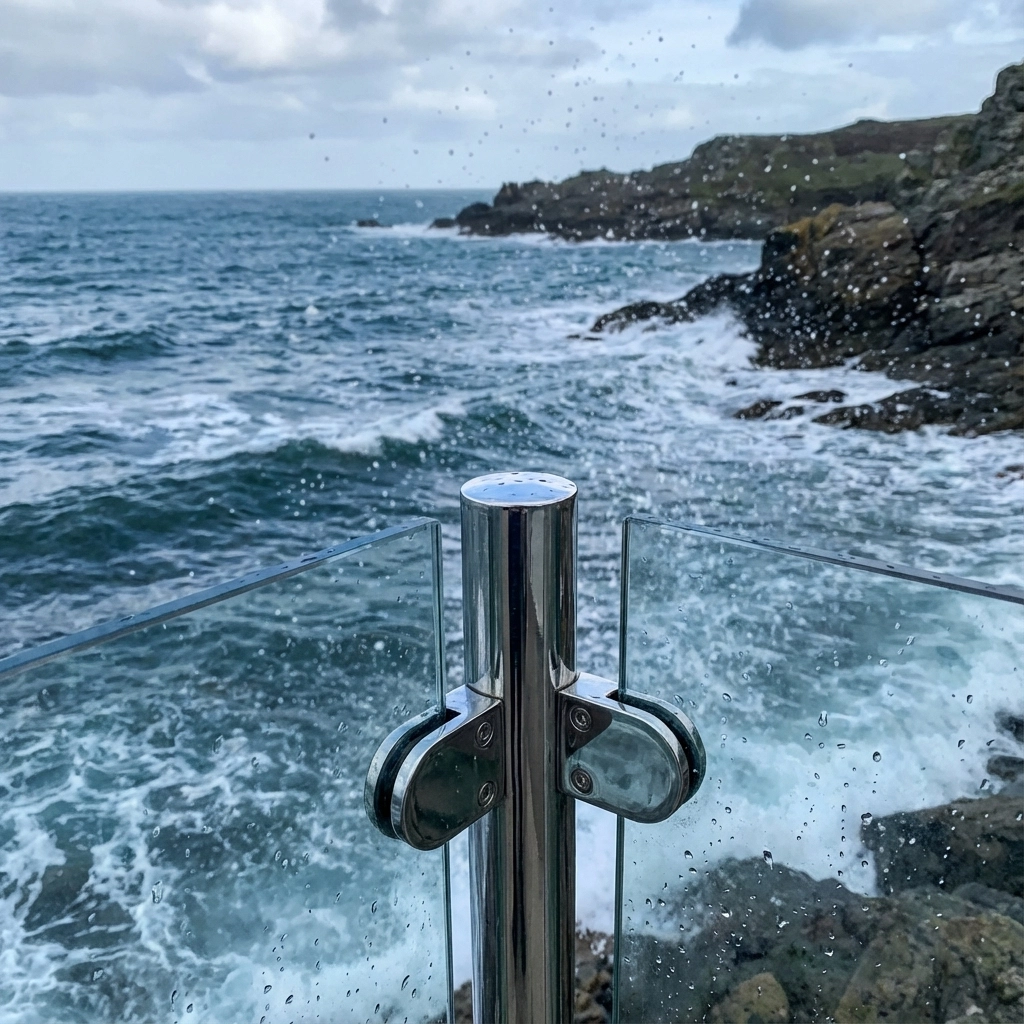
The corrosion resistance difference becomes crucial in Australian conditions, especially if you're within 50km of the coast. Here's what you need to know:
2205 Marine Grade Performance:
- Withstands direct salt spray exposure with superior pitting/crevice corrosion resistance
- Resists stress corrosion cracking in warm, chloride-rich environments
- Maintains appearance over 15+ years with minimal tea staining in harsh conditions
- Ideal for oceanfront pool fencing and exposed balustrades
316 Performance:
- Good general corrosion resistance for many residential sites
- Suitable for most inland installations and protected areas
- May show tea staining or minor pitting over time in severe coastal conditions
- Still significantly better than 304 grade
For technical background, 2205’s higher PREN and duplex structure underpin these differences ASSDA.
Durability and Longevity Comparison
Your spigots need to handle significant loads and weather conditions. Here's how the two grades stack up:
Load-Bearing Capacity
Both grades offer excellent structural integrity, but premium marine grade often features:
- Enhanced thread strength from better manufacturing processes
- Improved fatigue resistance under wind loads
- Better long-term stability in Australian UV conditions
Appearance Retention
- Marine Grade: Maintains lustrous finish for decades
- Standard 316: Good appearance retention but may develop minor surface changes over time
When to Choose Marine Grade vs Standard 316
Your choice should depend on your specific installation conditions:
Choose 2205 Marine Grade When:
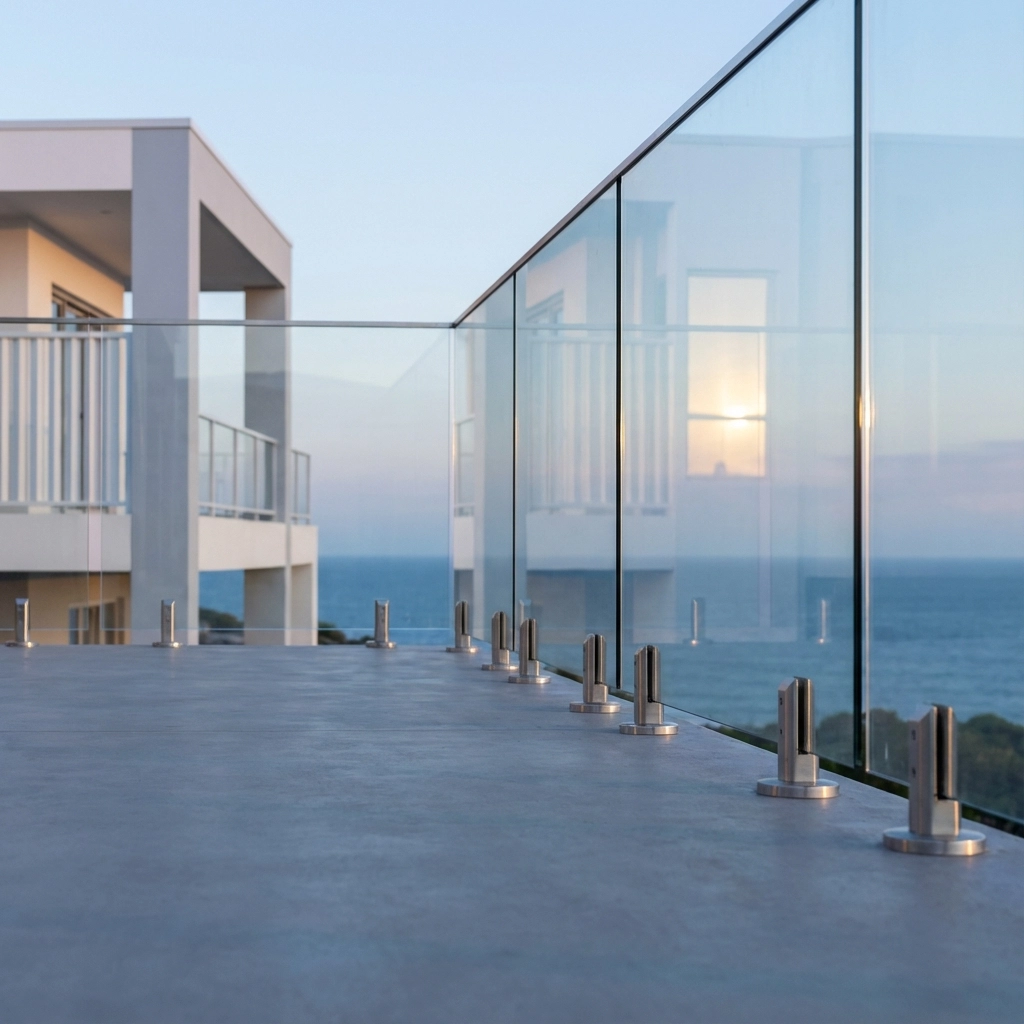
- Coastal Properties (within 50km of ocean)
- Pool Areas with heavy chemical exposure
- High-Traffic Balustrades requiring maximum durability
- Premium Installations where appearance is critical
- Commercial Applications needing extended warranties
Standard 316 Works Well For:
- Inland Installations with minimal salt exposure
- Budget-Conscious Projects still requiring quality
- Standard Residential Balustrades in protected areas
- Secondary Applications like internal courtyard fencing
Practical Installation Considerations
Glass Thickness Compatibility
At Glass House AU, we stock spigots for various glass thicknesses:
- 12mm Glass Spigots: Suitable for standard residential balustrades
- 15mm Glass Spigots: Heavy-duty applications and commercial use
- 17.52mm Glass Spigots: Laminated glass installations requiring maximum strength
Both 2205 marine grade and 316 options are available across all thickness ranges.
Channel vs Spigot Systems
The steel grade choice also applies to channel glazed balustrade systems. Premium marine grade channels offer:
- Superior drainage performance
- Enhanced structural integrity
- Better long-term appearance retention
Cost vs Value Analysis
Premium Marine Grade Investment:
- Higher upfront cost (typically 20-30% more)
- Extended lifespan (20+ years vs 15+ years)
- Better warranty coverage
- Higher property value retention
Standard 316 Value:
- Lower initial investment
- Excellent performance in suitable conditions
- Good warranty coverage
- Solid return on investment
Australian Building Standards and Requirements
Both grades meet Australian building standards, but some considerations include:
- Pool Safety Compliance: Both grades suitable for pool fencing requirements
- Wind Load Standards: Premium marine grade offers additional safety margin
- Coastal Building Codes: Some council areas may specify marine grade requirements
Maintenance Requirements
Marine Grade Maintenance:
- Annual cleaning with mild detergent
- Minimal special treatment required
- Self-maintaining corrosion resistance
Standard 316 Maintenance:
- Regular cleaning every 6 months
- Occasional protective treatments in harsh conditions
- Monitor for early signs of surface changes
Making Your Decision
Consider these key factors when choosing between marine grade and standard 316 spigots:
- Location: Coastal = marine grade, inland = either works
- Budget: Premium marine grade costs more upfront but offers better long-term value
- Application: Pool areas benefit from marine grade performance
- Aesthetic Importance: Premium finishes maintain appearance longer
- Warranty Requirements: Check if your project specifies particular grades
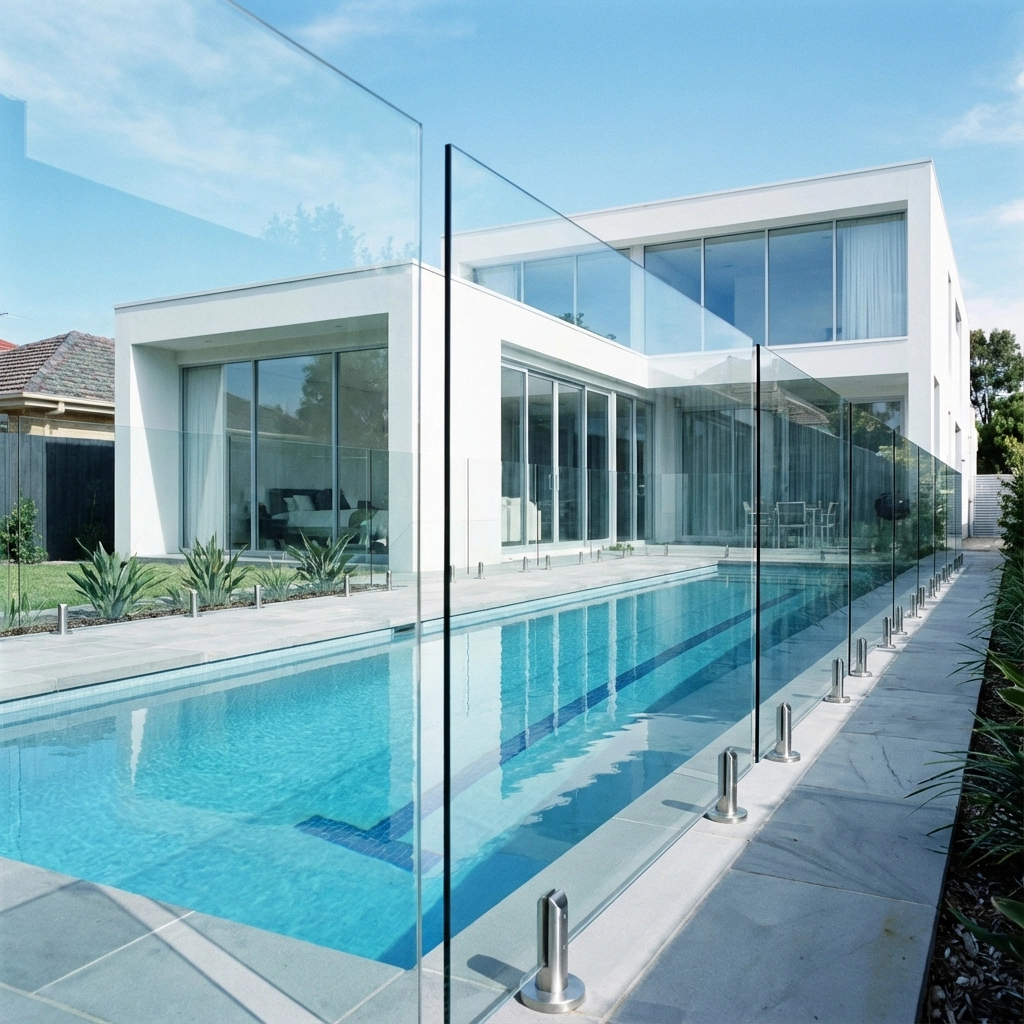
Why Quality Matters in Spigot Selection
Whether you choose marine grade or standard 316, investing in quality spigots from reputable suppliers like Glass House AU ensures:
- Proper certification and compliance
- Consistent quality control in manufacturing
- Technical support for installation
- Warranty backing for peace of mind
Your glass balustrade or pool fence is only as strong as its weakest component. Quality spigots provide the foundation for a safe, durable, and attractive installation that will serve your property for decades to come.
The choice between marine grade and standard 316 stainless steel spigots ultimately comes down to your specific conditions and requirements. Both offer excellent performance when properly selected and installed, but understanding the differences helps ensure you're making the best investment for your unique Australian home environment.