



Nickel Sulphide Inclusions in Glass: What Australian Homeowners Need to Know

Picture this: you're enjoying a quiet morning coffee when suddenly, your pristine glass pool fence panel shatters into thousands of pieces without warning. No impact, no storm, no obvious cause – just spontaneous breakage that leaves you scratching your head and reaching for your phone to call the installer. Welcome to the world of nickel sulphide inclusions, a rare but real phenomenon that can affect any tempered glass installation, including those made right here in Australia.
Understanding nickel sulphide inclusions isn't about creating fear – it's about being an informed homeowner who can make smart decisions about glass installations around your property. Whether you're planning a stunning glass balustrade, considering frameless pool fencing, or installing new shower screens, knowing about this potential issue helps you choose the right products and ask the right questions.
What Exactly Are Nickel Sulphide Inclusions?
Nickel sulphide (NiS) inclusions are microscopic impurities embedded within glass during the manufacturing process. These tiny particles measure between 0.05mm to 0.3mm – so small you'd never spot them with the naked eye, yet potentially powerful enough to cause dramatic glass failure.
Think of them as invisible time bombs that form when sulphur present in the glass melt reacts with trace amounts of nickel contamination. This nickel typically comes from stainless steel equipment used in glass production or from raw materials containing nickel impurities. The result? Crystalline particles that behave very differently depending on temperature and time.
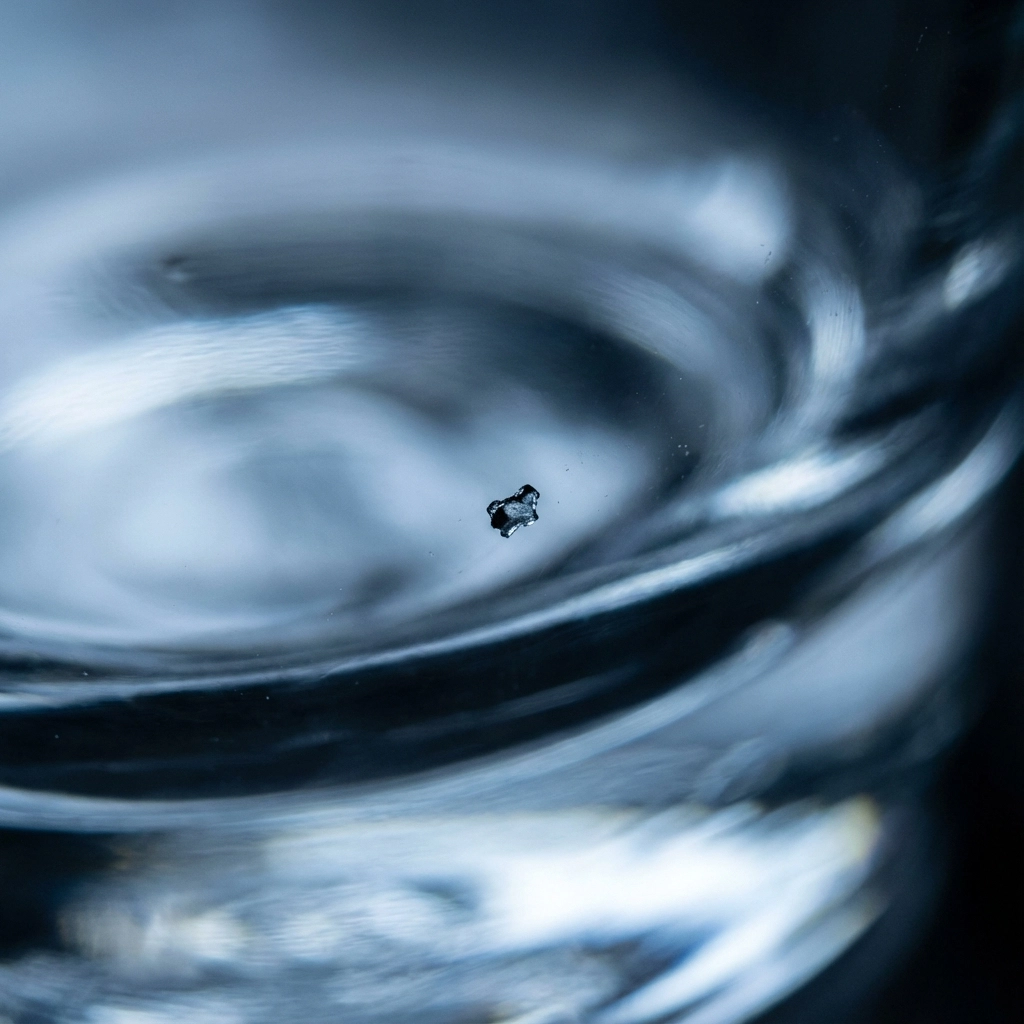
Here's where it gets interesting for Australian homeowners: these inclusions exist in virtually all glass products, including those manufactured locally. The difference lies in how the glass is processed after formation and which type of glass you're dealing with around your home.
The Tempered Glass Connection: Why Your Pool Fence Is at Risk
The plot thickens when we examine tempered (toughened) glass – the strong, safety-rated material used in your pool fencing, glass balustrades, and shower screens. During the tempering process, glass is heated to over 600°C then rapidly cooled with jets of cold air. This thermal shock treatment makes the glass four to five times stronger than standard annealed glass, but it also creates the perfect storm for nickel sulphide problems.
When heated during tempering, nickel sulphide crystals transform into an unstable "alpha" state with reduced volume. The rapid cooling process essentially freezes them in this compressed state within the hardened glass matrix. Over time – sometimes weeks, sometimes years – these crystals slowly revert to their original "beta" state, expanding by 2-4% in the process.
In regular annealed glass that cools slowly, this expansion happens naturally without causing damage. But in tempered glass, the surrounding material is too rigid to accommodate this internal growth. The result? Internal stress that builds until the entire panel suddenly fractures in that distinctive "safety glass" pattern we're all familiar with.
Australian Manufacturing: No Immunity from Nature's Laws
Let's address the elephant in the room: does choosing Australian-made glass eliminate nickel sulphide risk? Unfortunately, no. This phenomenon occurs regardless of where the glass is manufactured – it's a fundamental characteristic of the materials and processes involved, not a sign of poor quality or substandard manufacturing.
Australian glass manufacturers follow rigorous international standards and employ sophisticated quality control measures. However, nickel sulphide inclusions can form in any glass production facility worldwide when the right combination of materials and conditions align. Even the most advanced furnaces and pristine raw materials can't completely eliminate trace nickel contamination.
What matters more than the country of origin is understanding the specific manufacturing standards applied and whether additional risk-reduction processes have been implemented.
How rare is it? In everyday residential projects, spontaneous breakage from NiS is extremely rare. For non-heat-soaked toughened glass, multiple industry sources estimate roughly 1 in every 10,000 square metres may contain a critical nickel sulphide inclusion that can lead to breakage—so while the possibility exists, the chance of you experiencing it is very low (AGNORA; Giroux Glass).
Glass Type Risk Assessment: Making Smart Choices
Not all glass in your home carries equal risk of spontaneous NiS failure. Understanding these differences helps you make informed decisions about where to invest in premium processing:
Tempered Glass (High Risk)
- Used in: Pool fencing, balustrades, shower screens, large windows
- Risk level: Highest due to rapid cooling process
- Strength: 4-5x stronger than annealed glass
- Failure mode: Complete shattering into small, relatively safe pieces
Heat-Strengthened Glass (Low Risk)
- Used in: Some residential applications, commercial glazing
- Risk level: Very low due to gentler processing
- Strength: 2x stronger than annealed glass
- Failure mode: Larger pieces, similar to annealed glass
Annealed Glass (Very Low Risk)
- Used in: Standard windows, picture frames, decorative applications
- Risk level: Minimal due to slow cooling allowing natural accommodation
- Strength: Standard baseline strength
- Failure mode: Sharp, large pieces
For homeowners, this means your custom glass installations using tempered glass deserve the most attention when it comes to NiS risk management.
The Heat Soaking Solution: Your Insurance Policy Against Surprises
The industry's primary weapon against nickel sulphide failures is heat soaking – a quality control process that deliberately triggers potential problems before the glass reaches your property. Think of it as stress-testing your glass to identify and eliminate weak links.
During heat soaking, tempered glass panels are reheated to approximately 290°C and held at this temperature for several hours. This controlled heat exposure causes any critical-size nickel sulphide inclusions to expand and fracture the glass while it's still at the manufacturing facility, rather than months later in your backyard.

Following European Standard BS EN 14179, properly heat-soaked glass should experience less than one critical NiS failure per 400 tonnes on average. While not 100% effective – some inclusions may still pass through undetected – heat soaking dramatically reduces your risk of experiencing spontaneous glass failure.
The Trade-offs of Heat Soaking:
- Increased cost: Typically 10-20% premium over standard tempered glass
- Extended lead times: Additional processing adds days or weeks to delivery
- Enhanced peace of mind: Significantly reduced risk of post-installation failures
- Insurance benefits: Some policies offer better coverage for heat-soaked glass
Recognizing NiS Failure: The Butterfly Effect
If spontaneous glass breakage does occur, nickel sulphide failures leave distinctive forensic evidence. Look for the characteristic "butterfly pattern" – radiating fracture lines emanating from a single point, resembling butterfly wings spread outward. This signature pattern differs markedly from impact breakage, which typically shows point-of-contact damage and directional crack propagation.
However, visual identification alone isn't definitive. Professional laboratory analysis of glass fragments can positively confirm NiS inclusion as the failure cause, which may be important for insurance claims or warranty considerations.
Practical Risk Management for Australian Homeowners
Understanding nickel sulphide inclusions empowers you to make smart decisions about glass installations around your property. Here's your practical action plan:
For New Installations:
- Request heat-soaked tempered glass for safety-critical applications like pool fencing and large glazed areas
- Ask your installer about NiS testing protocols and manufacturer warranties
- Consider the cost-benefit ratio: premium processing for high-risk areas, standard glass for lower-risk applications
- Document your glass specifications for future reference
For Existing Installations:
- Understand that spontaneous breakage is statistically rare but possible
- Photograph any unusual breakage patterns for potential insurance or warranty claims
- Maintain records of installation dates and glass specifications
- Consider upgrading to heat-soaked glass during planned renovations
When Choosing Suppliers:
- Ask about NiS risk mitigation processes and quality control standards
- Understand warranty terms related to spontaneous glass failure
- Verify insurance coverage for both the supplier and your property
- Request documentation of heat soaking certificates when specified
The Bottom Line for Your Glass Investments
Nickel sulphide inclusions represent a well-understood risk in the glass industry, not a reason to avoid tempered glass installations. The strength, safety, and aesthetic benefits of quality tempered glass far outweigh the minimal statistical risk of NiS failure, especially when appropriate precautions are taken.
For Australian homeowners investing in premium glass features like pool fencing, balustrades, or architectural glazing, the key lies in working with knowledgeable suppliers who understand these risks and offer appropriate solutions. Whether you're planning a complete backyard transformation or simply replacing a damaged panel, understanding nickel sulphide inclusions helps you ask the right questions and make informed decisions.
Remember: knowledge eliminates surprises. By understanding what nickel sulphide inclusions are, how they form, and what options exist for risk management, you're equipped to enjoy your beautiful glass installations with confidence. The crystal-clear bliss of premium glass awaits – you just need to choose wisely and specify appropriately.
For guidance on selecting the right glass solutions for your specific project, including heat-soaked options and quality assurance protocols, contact our expert team who can help you navigate these technical considerations with confidence.