



How to Maintain Stainless Steel for Your Home Projects: Easy Cleaning & Care Tips

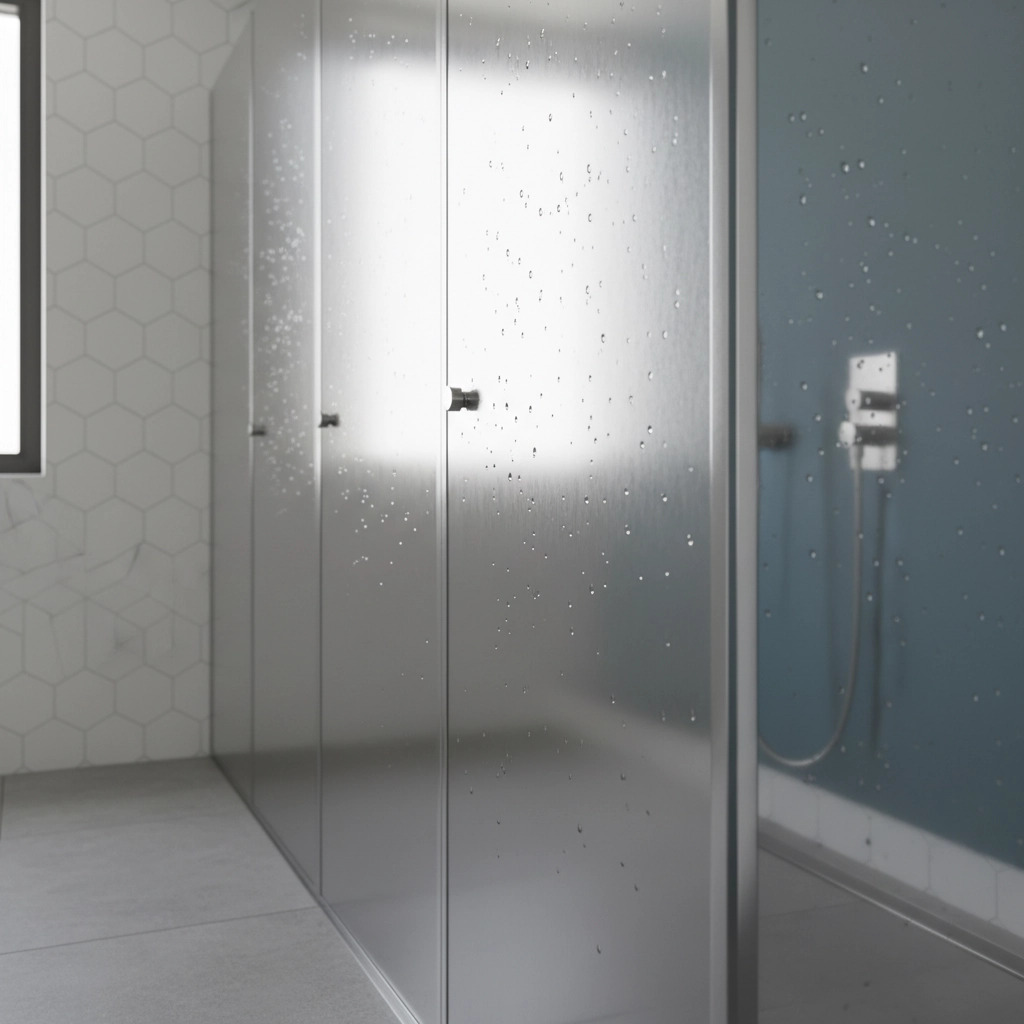
You've invested in beautiful stainless steel fixtures for your home: whether it's sleek shower screens, modern pool fencing, or stunning balustrades. But now you're staring at water spots, fingerprints, and wondering if that's... rust? Don't panic! Keeping your stainless steel looking pristine isn't rocket science, and with the right approach, you can maintain that showroom shine for years to come.
Why Stainless Steel Maintenance Actually Matters
Here's the thing about stainless steel: it's called "stainless" for a reason, but it's not maintenance-free. Without proper care, even the highest quality stainless steel can develop water spots, lose its lustre, and in extreme cases, show signs of corrosion. The good news? A little regular attention goes a long way in preserving both the appearance and structural integrity of your investment.
The Golden Rules of Routine Cleaning
Start Simple, Stay Consistent
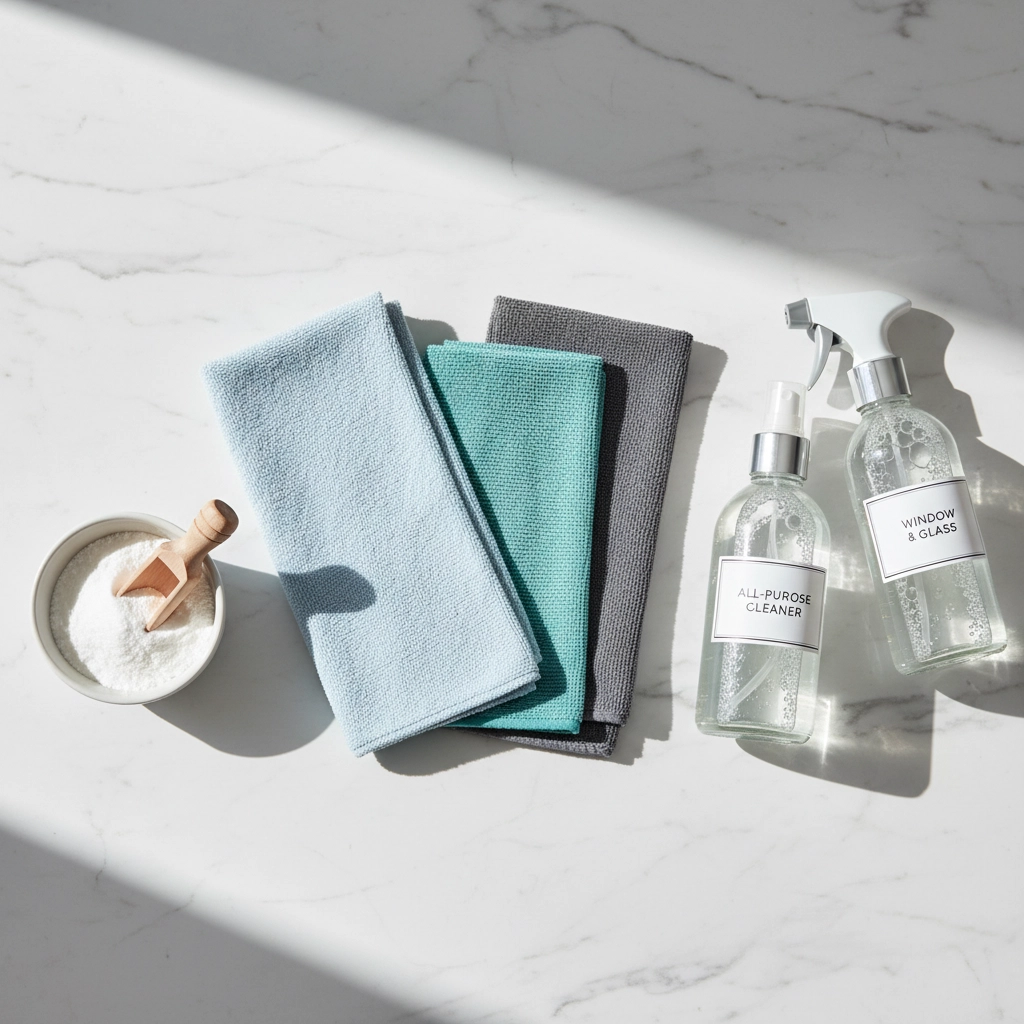
Your go-to cleaning method should be warm water and mild detergent or dish soap. This isn't just the safest option: it's often the most effective for day-to-day maintenance. After cleaning, always rinse with clean water to remove any soap residue, then dry with a soft microfiber cloth.
Follow the Grain
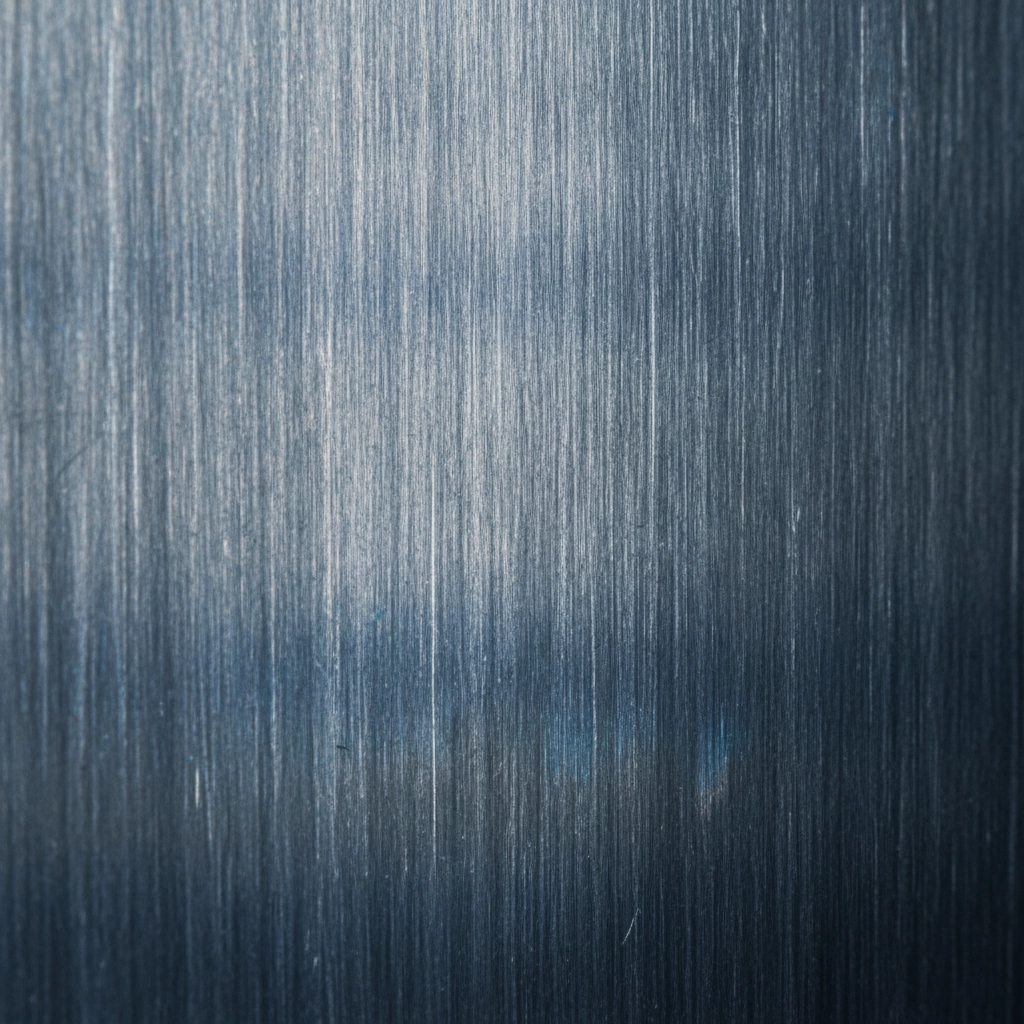
This is where many people go wrong. Always wipe in the direction of the grain (the subtle lines you can see in the metal's finish), not against it. Moving against the grain creates micro-scratches that make your stainless steel look dull and collect more dirt over time.
The Weekly Touch-Up
For most home applications, a weekly clean with warm soapy water is plenty. High-traffic areas like kitchen splashbacks or pool fencing might need attention twice a week, while shower screens typically need cleaning after every few uses to prevent soap scum buildup.
Common Mistakes That Damage Your Stainless Steel
Never Use These:
- Steel wool or abrasive scrubbers
- Bleach or ammonia-based cleaners
- Oven cleaners
- Products containing chloride
- Paper towels (they can scratch)
- Circular scrubbing motions
The Hard Water Trap
If you live in an area with hard water, those white spots aren't just unsightly: they can actually etch into the surface over time. Always dry your stainless steel after cleaning, especially in areas like shower screens where water naturally pools and evaporates.
DIY Cleaning Solutions That Actually Work
The Vinegar Victory
White vinegar is your secret weapon against water spots and mineral deposits. Spray it on, let it sit for a few minutes, then wipe clean with a microfiber cloth. For extra shine, follow up with a small amount of olive oil on a clean cloth.
The Baking Soda Rescue
For tougher stains or light rust spots, make a paste with baking soda and water. Apply gently with a soft cloth, let it sit for a minute, then wipe clean. This method works brilliantly on stainless steel coffee pots and can be adapted for larger surfaces.
The Club Soda Surprise
Club soda isn't just for drinks: it's fantastic for removing streaks and water spots from stainless steel. Spray it on, buff with a microfiber cloth in circular motions, and watch those marks disappear.
Application-Specific Care Tips
Shower Screens and Bathroom Fixtures
Bathroom environments are tough on stainless steel due to constant moisture and soap exposure. After each shower, give your screen a quick wipe with a squeegee or microfiber cloth. For weekly deep cleaning, use a mild soap solution followed by a vinegar rinse to combat soap scum and mineral deposits.
Pool Fencing and Outdoor Applications
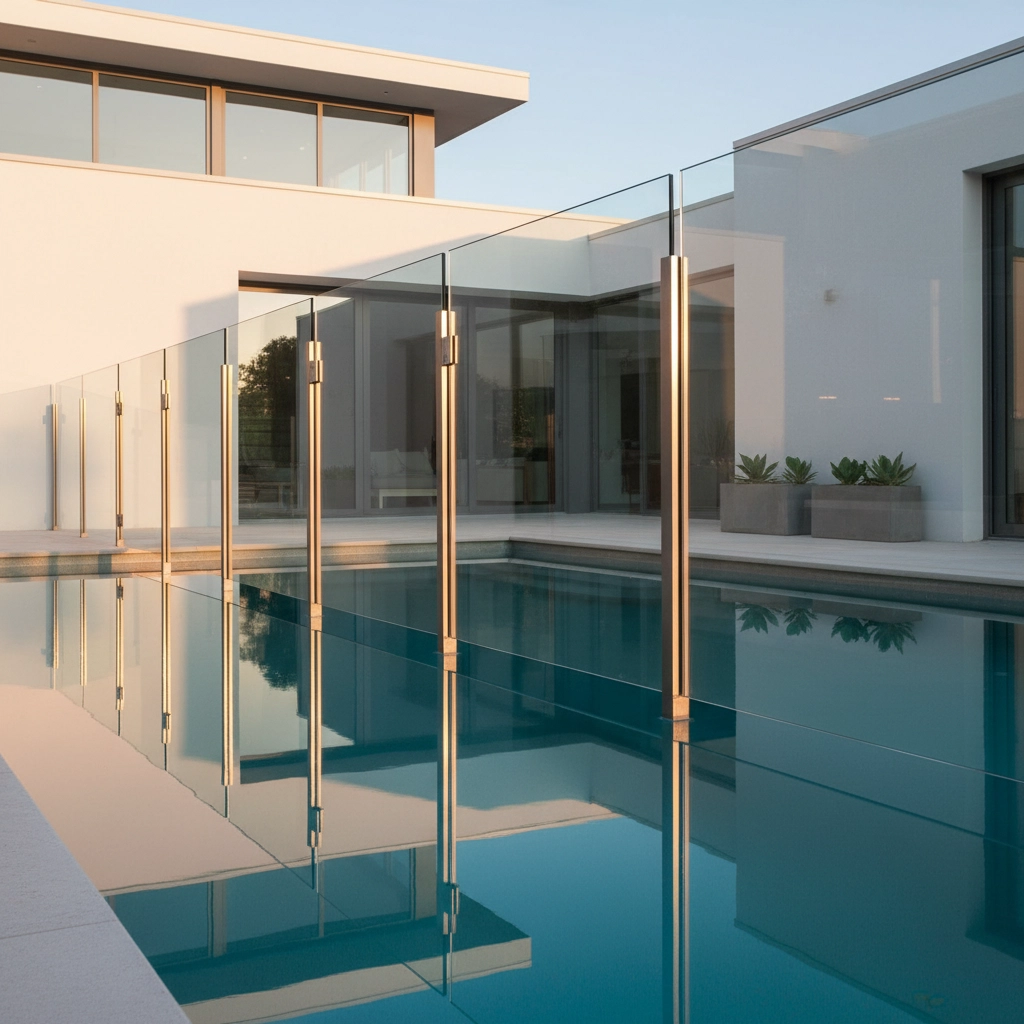
Salt air and chlorine are stainless steel's biggest enemies. If you have pool fencing, rinse it weekly with fresh water, especially after storms or high winds that might deposit salt. For coastal properties, consider this essential maintenance rather than optional.
Balustrades and Handrails
High-touch areas like balustrade hardware need attention for both hygiene and appearance. Clean weekly with warm soapy water, paying special attention to joints and crevices where grime accumulates.
Troubleshooting Common Problems
Water Spots Won't Budge?
Try the 50/50 vinegar-water solution, but this time warm it slightly before applying. The gentle heat helps break down mineral deposits more effectively.
Rust Spots Appearing?
Real stainless steel rarely rusts on its own: usually, it's contamination from other metals. Clean the area thoroughly with baking soda paste, then apply a stainless steel polish to restore the protective surface layer.
Scratches and Scuffs
Minor scratches can often be minimized by polishing in the direction of the grain with a specialized stainless steel polish. For deeper scratches, professional restoration might be necessary.
The Prevention Game-Changer
Protective Treatments
Consider applying a stainless steel wax or protectant after deep cleaning. These create an invisible barrier that makes future cleaning easier and provides extra protection against water spots and fingerprints.
Smart Installation Choices
When planning your project, think about maintenance from the start. Proper drainage around shower screens and adequate ventilation in bathrooms make ongoing care much easier.
Cleaning Schedule That Works
Daily (High-Use Areas):
- Quick wipe with microfiber cloth
- Remove water drops immediately
Weekly:
- Soap and water clean
- Dry thoroughly
- Check for developing issues
Monthly:
- Deep clean with vinegar solution
- Apply protective treatment if needed
- Inspect for any damage
Seasonally:
- Professional polish if desired
- Address any accumulated damage
- Review and adjust maintenance routine
Safety First
Always work in well-ventilated areas, especially when using vinegar or commercial cleaners. Wear gloves to protect your hands and avoid transferring oils from your skin to the cleaned surface. If you're working on outdoor installations like pool fencing, choose overcast days to prevent cleaning solutions from drying too quickly in direct sunlight.
The Bottom Line
Maintaining stainless steel doesn't have to be complicated or time-consuming. With consistent, gentle care and the right techniques, your shower screens, pool fencing, and balustrades will maintain their stunning appearance for decades. Remember: prevention is always easier than restoration, so establish your routine early and stick to it.

The key to success lies in understanding that stainless steel, while durable, responds best to gentle, consistent care rather than aggressive cleaning when problems arise. By following these simple guidelines and avoiding common mistakes, you'll keep your stainless steel looking as good as the day it was installed: and protect your investment for years to come.